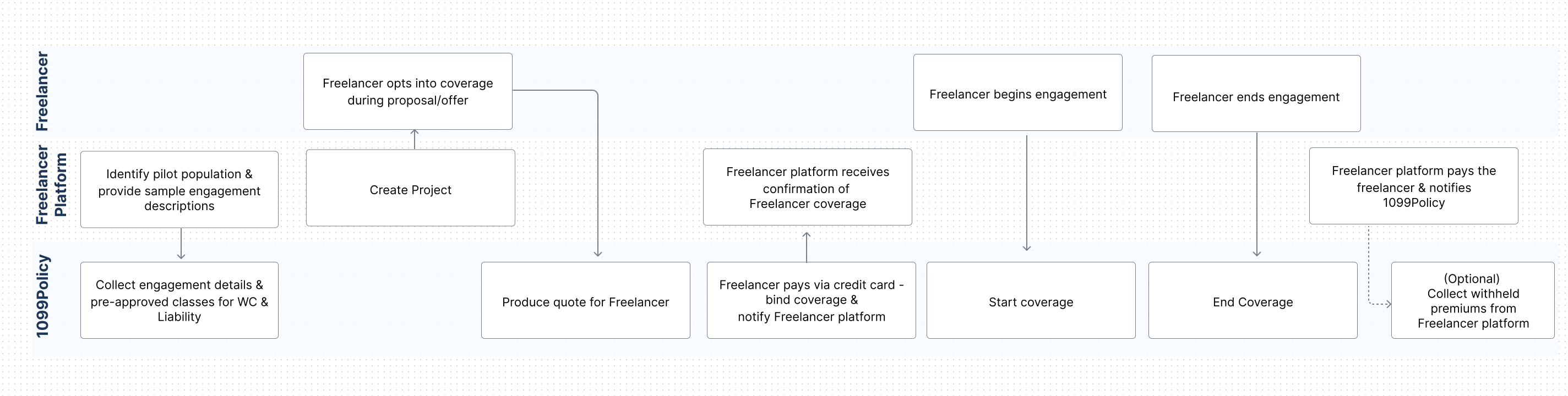
The figure above illustrates, at a high level, the end-to-end process, including pre-integration onboarding and the sequence of steps that freelancers using your platform take to procure insurance coverage.
Onboarding: 1099Policy collects a sample of work engagement details that represent the different types of assignments contractors can find on your platform, including information related to required insurance coverage for workers comp and liability coverage, as part of the one-time setup and onboarding.
Integration: Based on the work engagement details provided, you'll get one or more pre-approved job codes and your API key, which you can then use to give freelancers on your platform the ability to opt into insurance coverage.
Freelancer opt-in and quote: Freelancers then get their quote based on the pre-approved job code directly on your platform and can opt into the offered coverage.
Completing application and making payment: Once the freelancer completes their application and makes payment, we'll bind coverage.
Notification and coverage management: We'll notify you when coverage is successfully bound, allowing the freelancer to proceed with their engagement. Job details like wage or changes to start and end date can all be managed through the API.
Withholding premium (Optional): Freelancer platforms can collect insurance premium payments on the freelancers behalf by withholding the corresponding insurance premium amounts from the freelancer's payouts.
As you'll see, 1099Policy gives freelancer platforms a way to automate and monitor insurance, ensuring compliance and peace of mind for the ultimate client, the platform and the freelancers. Continue reading to learn more about how to build out a successful integration that helps get freelancers to work quickly, with exactly the right coverage they need.